bios
Speaker’s Bio:
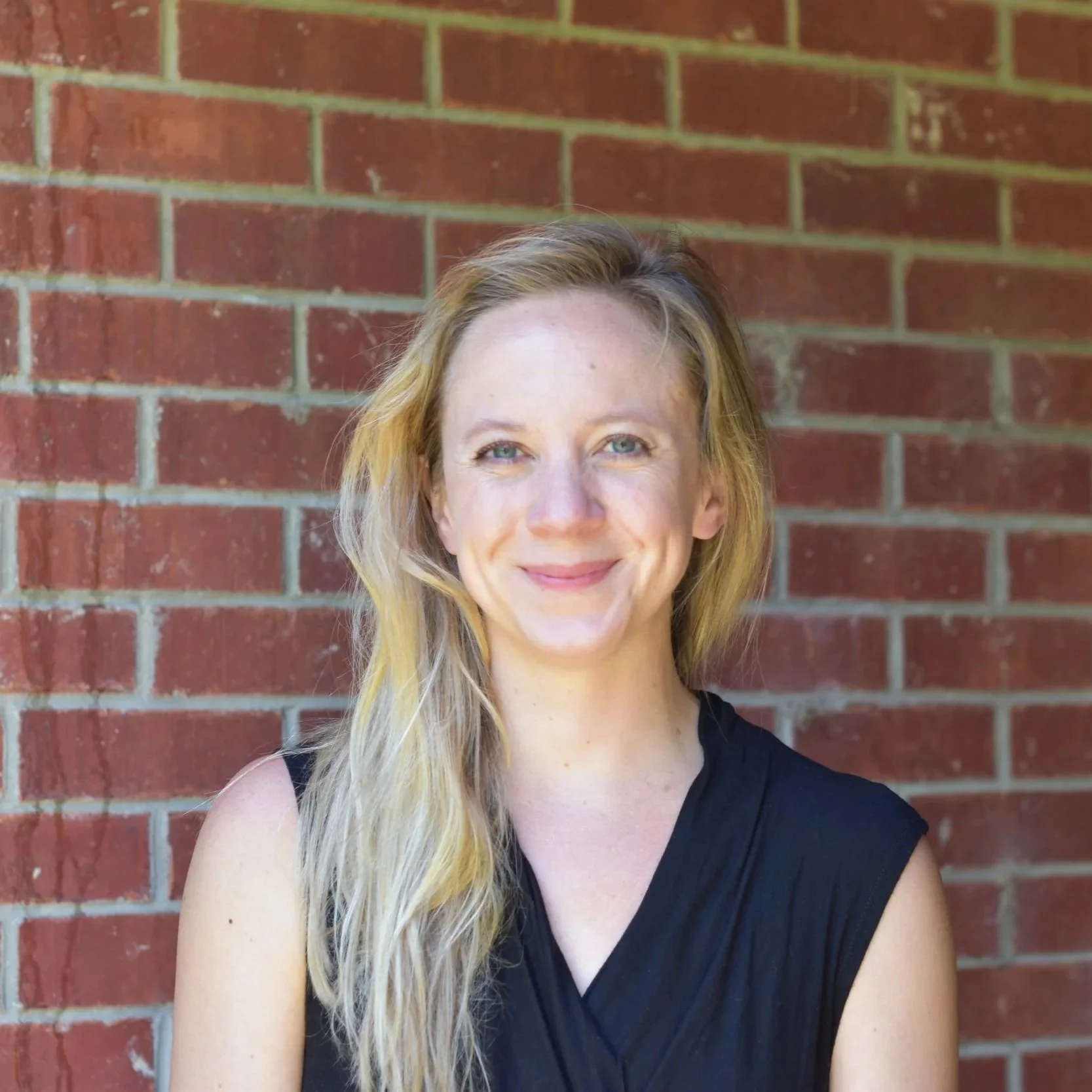
Stephanie Dick is an expert on AI and a historian of mathematics and technology with a PhD from Harvard University. With over twenty years of research experience, she examines what AI is, what it does, and how its use is changing our world, our work, and ourselves. Within academia, Stephanie studies and teaches the critical and cultural history of computing, AI, and mathematics and their impact on science, statecraft, and society. Beyond the university, she delivers lectures, workshops, and strategic guidance for AI adopters, investors, and regulators as well as labour unions and commujnity organizers. Stephanie is a frequent speaker on AI and the future of work, AI governance, and the society impacts of emerging technologies, sharing her expertise internationally in diverse venues from board rooms to pubic radio.
Academic Bio:
Stephanie Dick is Assistant Professor of Communication at Simon Fraser University. She is an historian of science and technology, focused on how mathematics, computing, and artificial intelligence shape knowledge, labour, and power in the twentieth century. Her first book, Making Up Minds: Automating Mathematical Intelligence in the Postwar United States, (forthcoming with University of Chicago Press) explores attempts to automate mathematical intelligence in the twentieth century and the theories of mind that informed these efforts. Her second large research project explores the history of policing and police uses of technology, especially the establishment of the first centralized law enforcement databanks in the 1960s, the political and technological construction of ‘criminality’ within them. She is editor, with Janet Abbate, of Abstractions and Embodiments: New Histories of Computing and Society. Before joining the faculty at SFU, she was an Assistant Professor of History and Sociology of Science at the University of Pennsylvania, and a Junior Fellow with the Harvard Society of Fellows.
Among her current positions, Stephanie is currently a Co-PI on the Data Fluencies Grant at the Digital Democracies Institute; she is co-editor at the Harvard Data Science Review; serves on the Editorial Board of the IEEE Annals of the History of Computing; she is a Fellow with the Dialogue on Technology Project at SFU’s Centre for Dialogue.
